Discover mind-bending keyboard trivia that’ll change how you see your everyday typing companion.
Think you know everything about keyboards? These interesting facts about keyboards are about to prove you wrong. Get ready to see that device under your fingers in a completely different light.
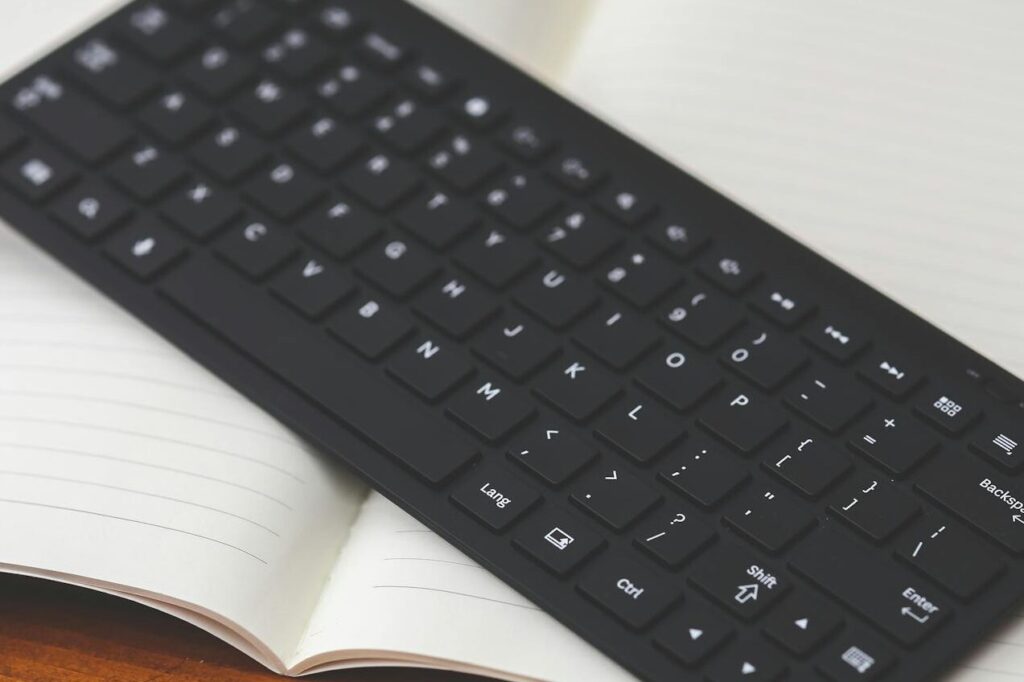
Interesting facts about the keyboard
Why These Interesting Facts About the Keyboard Actually Matter
Before we drop these wild keyboard truths, let’s be honest – you probably spend hours every day on your keyboard without thinking twice about it. But understanding these interesting facts about keyboards isn’t just trivia night material – it’s about appreciating the evolution of technology you use literally every single day.
Most people are dealing with:
- Keyboards they’ve never really thought about beyond “it has keys.”
- Zero understanding of what makes some keyboards better than others.
- Missing out on fascinating history behind everyday technology.
- No clue about the science behind keyboard design.
- Wasted potential in their typing experience.
These interesting facts about keyboards will change all that. Let’s dive in.
10 Absolutely Wild Interesting Facts About The Keyboard
1. The World’s Fastest Typist Could Type This Entire Article in Under 2 Minutes
One of the most impressive interesting facts about the keyboard involves speed records. In 2024, a teenager achieved 305 words per minute, which is literally faster than most people can read. For context, the average person types around 40 WPM. That’s like comparing a bicycle to a Ferrari.
Some competitive typists have even typed entire novels in single sessions just to test their endurance.
2. Mark Twain Pioneered Typed Manuscripts in Literature
Here’s a literary twist in interesting facts about the keyboard: Mark Twain was among the first authors to submit typewritten manuscripts to publishers in the 1880s. He was an early adopter of typewriter technology and even claimed in letters to have typed “The Adventures of Tom Sawyer” himself, though scholars debate this. Twain owned one of the first commercially available typewriters and was fascinated by the machine, though he later complained about its complexity and mechanical failures. His enthusiasm for the technology helped legitimize typewriters in professional and literary circles.
3. Your Keyboard Probably Costs Less Than the First Computer Keyboards
Wild interesting facts about the keyboard from history: When mechanical keyboards were first released in the 1970s, they sold for about $100 – that’s over $600 in today’s money.
Now you can get quality mechanical keyboards for under $200, and even budget options for $30-50. We’re living in the golden age of affordable keyboard technology, with more options than ever before.
4. RGB Lighting Isn’t Just for Show – It Actually Affects Your Brain
Among the most surprising interesting facts about the keyboard is the science behind RGB lighting. Different colors trigger different psychological responses: red increases alertness and competitive drive, blue promotes relaxation and sustained focus, while green represents calmness and concentration.
Gamers and productivity enthusiasts use this strategically to match their mental state to their tasks. Some studies even suggest that proper lighting can reduce eye strain during long typing sessions.
5. Christopher Sholes Nearly Gave Up Before Success
Emotional interesting facts about the keyboard: Christopher Sholes, inventor of the QWERTY keyboard, died in 1890 suffering from depression because he perceived his typewriter as a failure. By 1886, only 5,000 units had sold.
He never lived to see his invention revolutionize the world and become the standard for billions of keyboards. Sometimes success comes after we’re gone. His design would go on to shape how humans interact with computers for over a century.
6. Professional Gamers Can Wear Out Keyboards in Months
Performance-based interesting facts about the keyboard reveal the intensity of competitive gaming. Pro esports players practicing 8-12 hours daily can wear through cheap membrane keyboards in just 3-6 months, which is why they invest in mechanical switches rated for 50-100 million keystrokes.
That’s the difference between a keyboard lasting months versus lasting a decade. Your equipment directly impacts your career when you’re competing at the highest levels.
7.The Shift Key Revolutionized Office Work
Christopher Sholes created the shift key in 1878, allowing both uppercase and lowercase letters on the same keyboard. This innovation made typewriters more practical and compact, which helped create entirely new clerical positions in offices. As traditional office workers preferred to stick with handwriting, typewriting became associated with a new generation of workers entering the business world.
One small mechanical innovation literally transformed how offices operated and created millions of new employment opportunities across the workforce.
8. Modern Keyboards Can Synchronize With Your Games in Real-Time
Tech-forward interesting facts about the keyboard show how far we’ve come. Game designers now pre-configure RGB keyboards to give visual alerts when enemies or allies are near, flash red when players take damage, or change colors based on in-game events.
Your keyboard is becoming a second screen, providing ambient information without requiring you to look away from the action. Some games even use keyboard vibration motors to provide haptic feedback during explosions or impacts.
9. The “Octothorpe” Lives on Your Keyboard
Linguistic interesting facts about the keyboard include bizarre naming conventions. That # symbol you use for hashtags? It’s officially called an “octothorpe.”
The name allegedly comes from Bell Labs engineers in the 1960s who combined “octo” (eight points around the center) with “thorpe” (possibly honoring athlete Jim Thorpe, though this is disputed). Before social media, it was mainly used in telecommunications and programming. Language is weird, and so is tech history.
10. Wireless Keyboards Have Finally Caught Up to Wired Performance
Recent technological interesting facts about the keyboard prove we’re in a new era. Modern 2.4GHz wireless keyboards now achieve input latency under 1 millisecond – completely imperceptible to humans and matching wired keyboard performance.
The “wireless lag” excuse for gaming is officially dead. Technology has reached the point where you can have complete freedom of movement without any performance sacrifice whatsoever. Battery life has also improved dramatically, with some keyboards lasting months on a single charge.
What These Interesting Facts About the Keyboard Teach Us
After exploring these interesting facts about the keyboard, several truths emerge about how technology evolves and why understanding it matters.
First, keyboard technology has come incredibly far. From Christopher Sholes’ depression over perceived failure to modern RGB keyboards that sync with games in real-time, the evolution has been dramatic. What seemed like a commercial flop in 1886 became the foundation for how billions of people interact with computers today.
Second, the details matter more than most people realize. The psychology behind RGB lighting, the durability differences between switch types, the latency improvements in wireless technology – these aren’t just specs, they’re meaningful differences in daily experience.
Third, innovation often comes from unexpected places. The shift key changing women’s employment, Mark Twain pioneering typed manuscripts, Bell Labs engineers naming symbols after athletes – keyboard history is full of surprising connections between technology and society.
Understanding What Makes Modern Keyboards Different
Now that you’ve learned these interesting facts about the keyboard, you might be wondering what separates good keyboards from great ones in today’s market. Here’s what actually matters:
Switch Technology Has Evolved: Modern mechanical switches are rated for 50-100 million keystrokes (versus 5-10 million for membrane keyboards). That’s literally 10x longer lifespan, meaning a quality keyboard can easily last a decade or more with daily use.
Wireless Technology Works Now: As we learned, modern wireless keyboards achieve sub-1ms latency. You can finally have a clean, cable-free desk without any performance compromise. Battery technology has also improved to the point where some keyboards last 100+ hours on a single charge.
Customization is King: Modern keyboards offer programmable keys, hot-swappable switches (change them without soldering), and customizable RGB lighting. Your keyboard can adapt to your specific needs rather than forcing you to adapt to it.
Build Quality Varies Wildly: The difference between a cheap plastic keyboard and a premium aluminum one is night and day. Metal construction eliminates flex, provides stability, and simply feels better to type on.
Ergonomics Matter for Longevity: Whether it’s the layout, key spacing, or mounting system, ergonomic design reduces fatigue and strain during long typing sessions. Your future self will thank you for investing in comfort.
The Psychology Behind Great Keyboards
Remember those interesting facts about the keyboard and RGB psychology? There’s actually deep science behind why certain keyboards feel better to use:
Tactile Feedback Creates Satisfaction:
The physical sensation of a quality keyswitch engaging triggers dopamine responses in your brain. This is why mechanical keyboard enthusiasts talk about keyboards being “incredibly satisfying” to type on – there’s literal neurological basis for that feeling.
Sound Influences Perception:
The acoustics of a keyboard affect how satisfying it feels to use. This is why keyboard enthusiasts obsess over “thock” versus “click” sounds – different acoustic profiles create different emotional responses.
Visual Feedback Reduces Cognitive Load:
When your keyboard provides visual cues (like RGB zones for different functions), your brain processes information faster. This is why gamers and productivity users love color-coded layouts.
Consistency Builds Muscle Memory:
Quality keyboards provide the same feel for every keypress, which helps your fingers develop precise muscle memory. Inconsistent keyboards actually slow down your typing development.
How Keyboards Changed the World
These interesting facts about the keyboard reveal something deeper – keyboards fundamentally changed human communication and work:
Writing Became Democratized:
Before keyboards, only those with excellent penmanship could produce professional documents. Keyboards made clear, legible writing accessible to everyone.
Speed Transformed Business:
The ability to type 40-80+ WPM versus writing 10-15 WPM by hand revolutionized business communication and productivity. Entire industries emerged around faster information processing.
New Career Opportunities Emerged:
The typewriter created entirely new clerical positions and office roles, fundamentally changing workplace demographics and expanding the pool of available workers for businesses.
Digital Communication Became Possible:
Without keyboards, there would be no email, no social media, no instant messaging, no programming. Keyboards are literally the interface between human thought and digital reality.
Remote Work Became Viable:
The ability to type efficiently made it possible to work from anywhere. The keyboard enabled the distributed workforce we see today.
The Future of Keyboard Technology
Based on these interesting facts about the keyboard and current trends, where is keyboard technology heading?
Haptic Feedback Integration:
Future keyboards may provide customizable haptic feedback for each key, simulating different switch types digitally or providing tactile information about in-game or in-app events.
AI-Powered Customization:
Keyboards that learn your typing patterns and automatically adjust layouts, suggest shortcuts, or optimize key positioning for your specific usage.
Advanced Materials:
New materials could make keyboards lighter, more durable, and more environmentally friendly while maintaining premium feel and performance.
Seamless Device Integration:
Keyboards that automatically detect and switch between devices, sync settings across platforms, and integrate with smart home ecosystems.
Health Monitoring:
Future keyboards might track typing patterns to detect fatigue, suggest breaks, or adjust ergonomics automatically to prevent strain injuries.
Final Thoughts on These Interesting Facts About the Keyboard
Learning interesting facts about the keyboard isn’t just about winning trivia nights – it’s about understanding the evolution of the tool that connects you to the digital world.From Mark Twain’s paranoia about typewriters to modern RGB keyboards that sync with your games in real-time, keyboards have come impossibly far. Christopher Sholes died thinking he was a failure, never knowing his invention would shape how billions of people work and communicate.
Every email you send, every document you create, every game you play, every message you type – it all flows through those keys. The keyboard is literally your interface with digital reality, yet most people never think about it.
Understanding keyboard technology helps you make better choices about something you use thousands of times daily. It helps you appreciate the engineering that goes into seemingly simple devices. And it reminds you that innovation often comes from unexpected places and takes time to reach its full potential.
The next time you sit down to type, remember: you’re using technology that revolutionized office work, that Mark Twain helped pioneer in literature, that pro gamers wear out in months, and that can actually affect your brain chemistry through color psychology. That’s pretty incredible for a “simple” input device..
Your keyboard matters more than you think. Choose wisely, type confidently, and appreciate the fascinating history under your fingertips.
⌨️✨What's your favorite interesting fact about the keyboard from this list? Got any keyboard trivia we missed? Share it in the comments below! 💬